Introduction
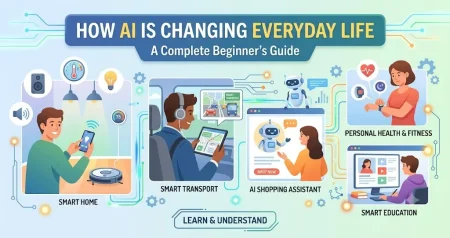
Artificial intelligence has become a valuable part of everyday life. From writing emails and organizing schedules to generating images and analyzing data, AI-powered tools help people complete tasks more quickly and efficiently. Businesses, students, freelancers, and professionals all use these technologies to save time and improve productivity. However, as AI becomes more integrated into daily activities, protecting personal information has become more important than ever.
Understanding How to Use AI Safely Without Risking Your Privacy is essential for anyone who uses digital tools. Many people unknowingly share sensitive information, including passwords, financial details, private conversations, or confidential business data. Once shared, that information may be stored, processed, or used in ways users did not expect.
The good news is that using AI safely does not require advanced technical knowledge. By following a few practical habits, you can enjoy the benefits of modern technology while reducing privacy risks. This guide explains the basics of privacy protection, highlights common security concerns, and provides simple steps to help you use AI tools responsibly and confidently.
What Is How to Use AI Safely Without Risking Your Privacy?

Using AI safely means interacting with intelligent software while protecting your personal, financial, and professional information. It involves understanding what information should remain private, recognizing trustworthy platforms, and making informed choices before sharing any data.
Privacy is about controlling who can access your information and how it is used. Every time you enter text, upload images, or share files with an AI-powered service, you should think carefully about whether that information is appropriate to share.
Safe AI usage combines awareness, good digital habits, and careful decision-making.
Why Is Privacy Important When Using AI?

Privacy protection matters because personal information has value. If sensitive data falls into the wrong hands, it can lead to identity theft, financial fraud, reputational damage, or unauthorized access to personal accounts.
Learning How to Use AI Safely Without Risking Your Privacy offers several advantages:
- Protects confidential information
- Reduces cybersecurity risks
- Prevents accidental data exposure
- Builds confidence when using new technology
- Supports responsible digital habits
- Helps businesses protect customer information
The more informed you are, the safer your online experience becomes.
Step-by-Step Guide
Step 1: Choose Trusted AI Platforms
Not every online service follows the same privacy standards.
Before using a platform:
- Read its privacy policy.
- Review security features.
- Check whether it encrypts user data.
- Understand how your information is stored.
Choosing reputable services is the first step toward protecting your privacy.
Step 2: Never Share Sensitive Information
Avoid entering confidential information such as:
- Passwords
- Banking details
- Credit card numbers
- Government identification numbers
- Medical records
- Private legal documents
- Company trade secrets
If sensitive information is unnecessary, do not share it.
Step 3: Review Privacy Settings
Many AI-powered tools provide privacy options.
Look for settings that allow you to:
- Manage stored conversations
- Delete previous activity
- Limit data collection
- Control personalization
- Disable unnecessary tracking
Taking a few minutes to adjust these settings can significantly improve your privacy.
Step 4: Use Strong Passwords
Protect every account with a unique password.
A strong password should include:
- Uppercase letters
- Lowercase letters
- Numbers
- Special characters
Whenever possible, enable two-factor authentication for an additional layer of security.
Step 5: Be Careful When Uploading Files
Many people upload documents without considering the information they contain.
Before uploading:
- Remove personal details.
- Delete hidden metadata if necessary.
- Blur sensitive information in images.
- Double-check file contents.
Simple precautions reduce unnecessary exposure.
Step 6: Keep Software Updated
Software updates often include important security improvements.
Enable automatic updates for:
- Operating systems
- Browsers
- Security software
- AI applications
Updated software helps defend against newly discovered vulnerabilities.
Step 7: Verify Information
AI-generated responses may occasionally contain mistakes or outdated information.
Before acting on important advice:
- Cross-check facts.
- Consult reliable sources.
- Use your own judgment.
Verification improves accuracy and reduces unnecessary risks.
Step 8: Think Before You Click
Cybercriminals sometimes imitate trusted services.
Avoid:
- Suspicious downloads
- Unknown email attachments
- Fake login pages
- Unverified browser extensions
Careful browsing habits are an important part of online safety.
Benefits of Using AI Safely Without Risking Your Privacy
Practicing safe habits offers many advantages.
- Protects personal information
- Reduces identity theft risks
- Prevents financial fraud
- Increases confidence online
- Improves digital security
- Supports responsible technology use
- Helps businesses safeguard customer data
- Encourages smarter decision-making
- Reduces unnecessary exposure of confidential information
- Promotes long-term cybersecurity awareness
Disadvantages and Risks
Ignoring privacy can create serious problems.
Potential risks include:
- Data breaches
- Identity theft
- Financial scams
- Unauthorized account access
- Loss of confidential business information
- Privacy violations
- Phishing attacks
- Malware infections
- Reputation damage
- Reduced trust in online services
Fortunately, many of these risks can be minimized through safe online habits.
Common Mistakes to Avoid
Sharing Too Much Information
Many users accidentally reveal personal details that are unnecessary for completing a task.
Only share information that is truly required.
Ignoring Privacy Policies
Privacy policies explain how your information may be collected and used.
Reading them helps you make informed decisions.
Reusing Passwords
Using the same password across multiple accounts increases security risks.
Create unique passwords whenever possible.
Trusting Every Output
AI-generated information should support decision-making, not replace critical thinking.
Always verify important facts.
Forgetting Account Security
Strong passwords and two-factor authentication remain among the simplest and most effective security practices.
Is it safe to use AI every day?
Yes. When used responsibly and with good privacy habits, AI can be a helpful and secure tool for everyday tasks.
Should I share confidential business information?
No. Sensitive company information should never be shared unless your organization has approved secure procedures for doing so.
How can I protect my personal information?
Use strong passwords, avoid sharing unnecessary details, review privacy settings, and keep your software updated.
Can AI store my conversations?
Some services may retain conversations according to their policies. Review the platform’s privacy settings and delete history when appropriate.
Why are software updates important?
Updates often fix security weaknesses that attackers may exploit. Installing updates promptly improves protection.
What is the safest approach when using AI?
Share only necessary information, verify important results, use trusted services, and remain aware of your digital privacy.
Expert Tips and Bonus Points
Follow these practical recommendations to improve your online safety:
- Think before entering personal information.
- Use unique passwords for every account.
- Enable two-factor authentication whenever available.
- Regularly review privacy settings.
- Remove confidential information from uploaded documents.
- Stay informed about cybersecurity trends.
- Teach family members basic online safety.
- Monitor accounts for unusual activity.
- Back up important files regularly.
- Treat privacy as an ongoing habit rather than a one-time task.
Small improvements in your digital habits can significantly reduce privacy risks over time.
Conclusion
Learning How to Use AI Safely Without Risking Your Privacy is becoming increasingly important as digital tools become part of everyday life. While AI offers incredible convenience, productivity, and creativity, responsible use is essential for protecting personal and professional information. Fortunately, staying safe does not require advanced technical skills. By choosing trusted platforms, avoiding the sharing of sensitive data, reviewing privacy settings, creating strong passwords, and keeping software updated, anyone can reduce potential risks.
Privacy is not about avoiding technology—it is about using it wisely. Developing good digital habits today can help prevent future security problems while allowing you to enjoy the many advantages that AI-powered tools provide. Whether you are a student, business owner, freelancer, or casual user, understanding basic privacy principles will help you use technology with greater confidence.
As digital innovation continues to evolve, staying informed about privacy best practices will remain one of the smartest investments you can make. Responsible technology use, combined with thoughtful decision-making, creates a safer online experience for everyone. By following the practical advice in this guide, you can take advantage of modern AI tools while keeping your personal information protected.