Introduction
Technology has become an essential part of modern living, and one of the most influential developments is artificial intelligence. Today, AI is no longer limited to research laboratories or large technology companies. It has become a practical tool that affects how people communicate, shop, learn, travel, work, and manage daily tasks.
Understanding How AI Is Changing Everyday Life is important because many people interact with AI-powered systems without even realizing it. From smartphone assistants and personalized recommendations to navigation apps and online customer support, AI has become deeply integrated into everyday experiences.
As technology continues to evolve, AI is making services faster, smarter, and more convenient. Businesses use it to improve efficiency, while consumers benefit from more personalized experiences. However, AI also introduces challenges related to privacy, employment, and ethical decision-making.
This guide explores how AI is transforming daily life, why it matters, its benefits and risks, and practical ways people can adapt to a world increasingly shaped by intelligent technologies.
What is How AI Is Changing Everyday Life?

The phrase How AI Is Changing Everyday Life refers to the growing impact of artificial intelligence on routine activities and daily experiences.
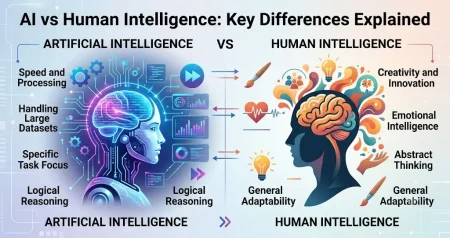
Artificial intelligence enables machines and software systems to perform tasks that traditionally require human intelligence. These tasks include learning, problem-solving, language understanding, image recognition, and decision-making.
Examples of AI in daily life include:
- Voice assistants on smartphones
- Personalized streaming recommendations
- Smart home devices
- Online shopping suggestions
- Navigation and traffic prediction apps
- Automated customer service systems
- Banking fraud detection tools
These technologies make daily activities more efficient and convenient.
Why is How AI Is Changing Everyday Life Important?

AI is important because it improves how people access information, complete tasks, and make decisions.
Many modern services depend on artificial intelligence to deliver personalized experiences. Instead of treating every user the same way, AI analyzes preferences and behaviors to provide more relevant results.
For businesses, AI increases productivity and reduces operational costs. For consumers, it often improves convenience, accuracy, and speed.
AI is also driving innovation in critical sectors such as healthcare, education, transportation, and finance. As adoption continues to grow, understanding its impact becomes increasingly valuable.
Detailed Step-by-Step Guide
Step 1: AI in Communication
Communication has changed significantly because of AI-powered technologies.
Examples include:
- Smart email filtering
- Voice-to-text transcription
- Language translation tools
- Virtual assistants
These systems help users communicate more effectively across different languages and platforms.
Step 2: AI in Shopping
Online shopping experiences are increasingly powered by AI.
Retail platforms use artificial intelligence to:
- Recommend products
- Predict customer preferences
- Improve search results
- Personalize promotions
As a result, shoppers often discover products more quickly and easily.
Step 3: AI in Entertainment
Streaming platforms use AI to analyze viewing habits and recommend relevant content.
Examples include:
- Movie suggestions
- Music recommendations
- Personalized playlists
- Content discovery features
These capabilities enhance user engagement and satisfaction.
Step 4: AI in Healthcare
Healthcare is one of the sectors benefiting most from AI advancements.
Applications include:
- Medical image analysis
- Disease prediction
- Appointment scheduling
- Remote patient monitoring
These innovations help healthcare professionals improve patient outcomes.
Step 5: AI in Education
Educational platforms use AI to personalize learning experiences.
Benefits include:
- Customized lessons
- Adaptive learning systems
- Automated assessments
- Intelligent tutoring support
Students can learn at their own pace while receiving targeted assistance.
Step 6: AI in Transportation
Transportation systems increasingly rely on AI-driven technologies.
Examples include:
- GPS navigation
- Traffic prediction
- Route optimization
- Vehicle safety systems
These applications improve travel efficiency and reduce delays.
Step 7: AI in the Workplace
Businesses use AI to automate repetitive tasks and improve productivity.
Common applications include:
- Data analysis
- Customer support
- Scheduling
- Document processing
- Workflow automation
This allows employees to focus on strategic and creative responsibilities.
Benefits of How AI Is Changing Everyday Life
AI offers numerous advantages across different areas of daily life.
- Improves productivity
- Saves time on repetitive tasks
- Enhances customer experiences
- Supports better decision-making
- Provides personalized recommendations
- Increases efficiency in healthcare
- Improves educational outcomes
- Enhances workplace performance
- Helps businesses reduce costs
- Strengthens fraud detection systems
- Improves accessibility for people with disabilities
- Supports innovation and technological advancement
These benefits explain why AI adoption continues to grow globally.
Disadvantages / Risks
Despite its advantages, AI presents several challenges.
- Privacy concerns
- Data security risks
- Potential job displacement
- Algorithmic bias
- Dependence on technology
- High implementation costs
- Reduced human interaction
- Ethical concerns regarding automated decisions
- Risk of misinformation
- Complexity of managing advanced systems
Addressing these challenges requires responsible development and oversight.
Common Mistakes to Avoid
One common mistake is assuming that AI is only relevant to technology professionals. In reality, it affects people across nearly every industry and profession.
Another mistake is relying entirely on automated systems without human review. While AI can improve efficiency, human judgment remains important.
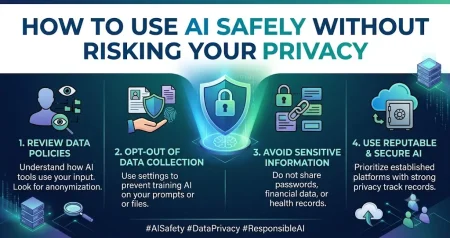
Many people also overlook privacy settings when using AI-powered services. Understanding how personal data is collected and used is essential.
Ignoring continuous learning is another error. AI technologies evolve rapidly, making ongoing education valuable.
Finally, some businesses adopt AI without clear objectives. Successful implementation requires a defined strategy and measurable goals.
What is artificial intelligence?
Artificial intelligence is technology that enables machines and software systems to perform tasks that normally require human intelligence, such as learning, reasoning, and decision-making.
How is AI changing everyday life?
AI is changing everyday life through personalized recommendations, smart assistants, healthcare innovations, educational tools, transportation systems, and workplace automation.
Is AI used in smartphones?
Yes. Smartphones use AI for voice recognition, photography enhancements, predictive text, virtual assistants, and personalized recommendations.
Can AI improve healthcare?
Yes. AI helps healthcare professionals analyze medical data, detect diseases earlier, monitor patients, and improve treatment planning.
Does AI replace human workers?
AI can automate certain tasks, but it also creates new opportunities and supports employees by handling repetitive work.
Is AI safe to use?
AI can be safe when developed responsibly. However, organizations must address privacy, security, fairness, and ethical concerns.
How does AI help students?
AI supports personalized learning, adaptive lessons, intelligent tutoring, and automated feedback that helps students learn more effectively.
Will AI become more common in the future?
Yes. AI adoption is expected to continue growing across industries as technology becomes more advanced and accessible.
Expert Tips & Bonus Points
To better understand AI’s role in daily life:
- Stay informed about technological developments.
- Learn basic digital literacy skills.
- Protect personal data online.
- Explore AI-powered productivity tools.
- Use technology responsibly.
- Verify information from multiple sources.
- Develop adaptability and problem-solving skills.
- Understand both benefits and risks.
Bonus Tip:
Rather than fearing technological change, focus on learning how AI can enhance productivity, creativity, and decision-making. Those who understand and adapt to emerging technologies often benefit the most.
Conclusion
Understanding How AI Is Changing Everyday Life is increasingly important in today’s digital world. Artificial intelligence is influencing how people communicate, shop, travel, learn, work, and access essential services. What once seemed like futuristic technology has become a practical part of everyday routines.
AI offers numerous benefits, including increased efficiency, personalized experiences, improved healthcare, smarter education systems, and enhanced workplace productivity. These advantages continue to drive widespread adoption across industries and consumer applications.
At the same time, challenges such as privacy concerns, data security, ethical considerations, and workforce changes require careful attention. Responsible use of AI is essential for maximizing benefits while minimizing potential risks.
As technology continues to evolve, AI will likely become even more integrated into daily life. Individuals who understand its capabilities and limitations will be better prepared to make informed decisions and adapt to future changes.
Whether you are a student, professional, entrepreneur, or everyday technology user, learning about AI today can help you navigate a future increasingly shaped by intelligent systems and digital innovation.