Introduction
As the world faces growing environmental challenges, the need for sustainable solutions has never been greater. Climate change, pollution, resource depletion, and increasing energy demand are encouraging governments, businesses, and individuals to rethink the way they live and work. One of the most effective approaches to addressing these challenges is the adoption of green technology. Understanding what is green technology and why does it matter is essential for anyone who wants to contribute to a cleaner, healthier, and more sustainable future.
Green technology focuses on developing products, systems, and practices that reduce environmental impact while improving efficiency. From renewable energy and electric vehicles to energy-efficient buildings and recycling innovations, green technology plays a significant role in protecting natural resources and reducing harmful emissions. It not only benefits the environment but also supports economic growth by creating new industries, jobs, and investment opportunities.
Whether you are a student, business owner, homeowner, or simply interested in sustainable living, learning about green technology can help you make informed decisions. This guide explains what green technology is, why it is important, how it works, its benefits, potential challenges, common mistakes to avoid, and practical ways to incorporate environmentally friendly solutions into everyday life.
What Is Green Technology?
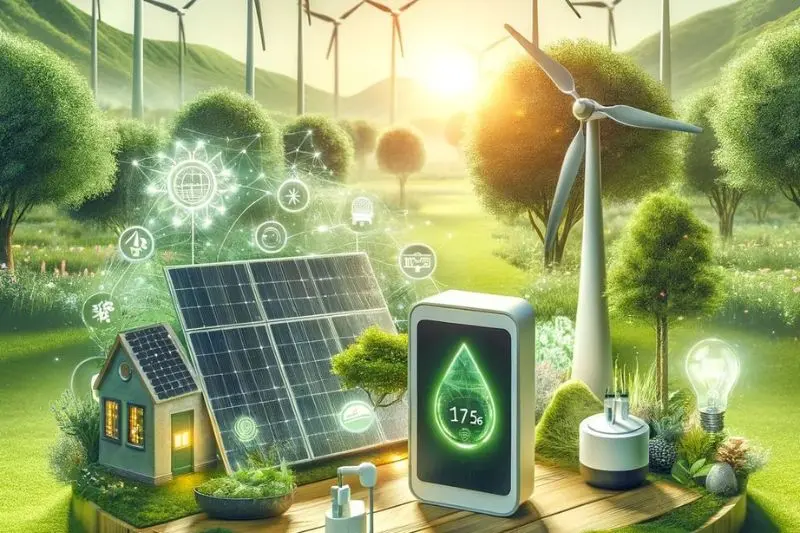
Green technology, also known as environmental technology or clean technology, refers to products, processes, and innovations designed to reduce negative impacts on the environment. Its primary goal is to conserve natural resources, minimize pollution, reduce greenhouse gas emissions, and promote sustainable development.
Unlike traditional technologies that often rely on fossil fuels and resource-intensive production methods, green technology emphasizes efficiency, renewable resources, and environmentally responsible practices.
Examples of green technology include:
- Solar energy systems
- Wind turbines
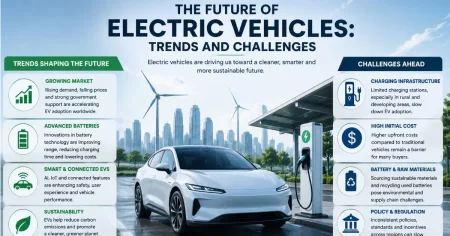
- Electric vehicles
- Rainwater harvesting systems
- Smart irrigation technology
- Energy-efficient appliances
- Green buildings
- Waste recycling systems
- Water purification technologies
- Sustainable manufacturing processes
Green technology is continuously evolving as researchers and industries develop better solutions for environmental protection and resource conservation.
Why Does Green Technology Matter?
Green technology matters because it addresses some of the most pressing environmental and economic issues facing the world today.
Its importance includes:
- Reducing carbon emissions
- Conserving natural resources
- Improving air and water quality
- Supporting renewable energy adoption
- Lowering energy consumption
- Reducing waste generation
- Protecting biodiversity
- Promoting sustainable economic growth
As populations continue to grow, the demand for energy, transportation, housing, and consumer goods also increases. Green technology helps meet these demands while minimizing environmental damage.
Step-by-Step Guide to Understanding and Using Green Technology
Step 1: Learn the Basics of Sustainability
Before adopting green technology, it is important to understand sustainability.
Sustainability means meeting today’s needs without compromising the ability of future generations to meet theirs. Green technology supports this goal by encouraging responsible resource use and environmental protection.
Step 2: Identify Areas Where Green Technology Can Help
Green technology can improve many aspects of daily life.
Examples include:
- Electricity generation
- Home heating and cooling
- Transportation
- Water management
- Agriculture
- Construction
- Manufacturing
- Waste management
Recognizing these opportunities makes it easier to adopt environmentally friendly solutions.
Step 3: Choose Renewable Energy Sources
Renewable energy is one of the most recognized forms of green technology.
Common renewable energy sources include:
- Solar power
- Wind energy
- Hydroelectric power
- Geothermal energy
- Biomass energy
Unlike fossil fuels, renewable energy sources naturally replenish and produce significantly lower emissions.
Step 4: Improve Energy Efficiency
Energy efficiency reduces energy consumption without sacrificing performance.
Practical examples include:
- Installing LED lighting
- Using smart thermostats
- Purchasing energy-efficient appliances
- Improving home insulation
- Switching to efficient heating systems
Small improvements often lead to substantial long-term savings.
Step 5: Practice Sustainable Transportation
Transportation contributes significantly to greenhouse gas emissions.
Green transportation options include:
- Electric vehicles
- Hybrid vehicles
- Public transportation
- Cycling
- Walking
- Carpooling
Reducing fuel consumption helps improve air quality and lowers transportation costs.
Step 6: Reduce Waste Through Recycling
Waste management is another important aspect of green technology.
Simple recycling practices include:
- Sorting recyclable materials
- Composting organic waste
- Reusing containers
- Donating usable items
- Reducing single-use plastics
Effective waste management conserves resources while reducing landfill pollution.
Step 7: Conserve Water
Water conservation technologies help protect one of Earth’s most valuable resources.
Examples include:
- Low-flow faucets
- Rainwater harvesting
- Smart irrigation systems
- Leak detection technology
- Water-efficient appliances
These solutions reduce water waste without affecting daily comfort.
Step 8: Support Green Building Practices
Modern buildings can significantly reduce environmental impact.
Green building features often include:
- Natural lighting
- Efficient insulation
- Solar panels
- Sustainable construction materials
- Rainwater collection systems
- Smart energy controls
These buildings consume less energy and offer healthier indoor environments.
Step 9: Encourage Sustainable Business Practices
Businesses play a vital role in promoting green technology.
Companies can:
- Reduce packaging waste
- Improve manufacturing efficiency
- Use renewable energy
- Minimize emissions
- Invest in recycling programs
- Reduce water consumption
Sustainable businesses often improve both environmental performance and operational efficiency.
Step 10: Continue Learning and Adapting
Green technology continues to evolve.
Stay informed about:
- New renewable energy solutions
- Energy-efficient products
- Sustainable agriculture
- Eco-friendly transportation
- Environmental regulations
- Recycling innovations
Continuous learning helps individuals and organizations make better environmental decisions.
Benefits of Green Technology
Green technology provides numerous environmental, economic, and social advantages.
Some key benefits include:
- Reduces greenhouse gas emissions
- Conserves natural resources
- Improves energy efficiency
- Lowers electricity costs over time
- Reduces air pollution
- Protects water quality
- Supports renewable energy development
- Creates new employment opportunities
- Encourages sustainable manufacturing
- Improves public health
- Reduces landfill waste
- Promotes innovation
- Supports long-term economic growth
- Enhances energy independence
- Helps combat climate change
These benefits contribute to healthier communities and a more sustainable future.
Disadvantages and Risks
Although green technology offers many advantages, it also presents certain challenges.
Potential disadvantages include:
- High initial installation costs
- Limited availability in some regions
- Dependence on weather for some renewable energy sources
- Expensive infrastructure upgrades
- Technology may require specialized maintenance
- Some systems have long payback periods
- Recycling certain materials remains challenging
- Limited public awareness can slow adoption
Despite these challenges, ongoing innovation continues to improve affordability and accessibility.
Common Mistakes to Avoid
People interested in green technology should avoid these common mistakes.
Focusing Only on Initial Costs
Some environmentally friendly technologies require higher upfront investments but provide significant long-term savings.
Ignoring Energy Efficiency
Installing renewable energy without improving energy efficiency limits potential benefits.
Overlooking Maintenance
Regular maintenance ensures systems continue operating efficiently.
Buying Low-Quality Products
Cheaper products may have shorter lifespans and lower performance.
Neglecting Water Conservation
Energy is important, but water conservation is equally essential.
Assuming One Solution Fits Every Situation
Different homes, businesses, and climates require different green technology solutions.
Forgetting Daily Habits
Technology alone cannot solve environmental problems without responsible everyday behavior.
Frequently Asked Questions
1. What is the main purpose of green technology?
The main purpose is to reduce environmental damage while improving the efficient use of natural resources. It supports sustainable development by minimizing pollution, conserving energy, and protecting ecosystems.
2. Is green technology expensive?
Some green technologies require higher upfront costs, but many provide long-term savings through reduced energy bills, lower maintenance expenses, and improved efficiency.
3. What industries use green technology?
Many industries use green technology, including construction, agriculture, transportation, manufacturing, healthcare, energy production, and waste management.
4. How does green technology help the environment?
Green technology reduces pollution, conserves natural resources, lowers greenhouse gas emissions, improves water quality, and supports renewable energy production.
5. Can individuals benefit from green technology?
Yes. Homeowners and individuals can reduce utility bills, improve energy efficiency, increase property value, and contribute to environmental protection through sustainable choices.
6. What are examples of green technology in everyday life?
Examples include LED lighting, solar panels, electric vehicles, recycling systems, reusable shopping bags, energy-efficient appliances, rainwater harvesting systems, and smart home energy management devices.
7. Why is renewable energy considered green technology?
Renewable energy comes from naturally replenishing resources such as sunlight, wind, and water. These sources generate electricity with much lower environmental impact than fossil fuels, helping reduce emissions and improve sustainability.
Expert Tips and Bonus Points
To maximize the benefits of green technology, consider these practical recommendations:
- Start with simple energy-saving improvements.
- Replace outdated appliances with energy-efficient models.
- Reduce unnecessary electricity consumption.
- Practice recycling consistently.
- Conserve water whenever possible.
- Support environmentally responsible businesses.
- Learn about renewable energy incentives available in your region.
- Plant trees and maintain green spaces.
- Choose durable, reusable products instead of disposable alternatives.
- Educate family members about sustainable living.
- Monitor energy usage regularly.
- Make gradual improvements instead of trying to change everything at once.
Small changes made consistently can create significant environmental benefits over time.
Conclusion
Understanding what is green technology and why does it matter is becoming increasingly important in today’s world. As environmental concerns continue to grow, sustainable technologies provide practical solutions that help reduce pollution, conserve valuable resources, and improve overall quality of life. From renewable energy and efficient transportation to green buildings and responsible waste management, these innovations support both environmental protection and economic development.
While adopting green technology may involve certain challenges, such as higher initial costs or infrastructure requirements, the long-term benefits often outweigh these obstacles. Lower energy bills, healthier communities, cleaner air, reduced carbon emissions, and improved resource conservation make sustainable technologies valuable investments for individuals, businesses, and governments alike.
Every person has the opportunity to contribute to a more sustainable future by making environmentally responsible choices. Whether it involves using energy-efficient appliances, reducing waste, conserving water, supporting renewable energy, or adopting greener transportation options, small actions can collectively make a meaningful difference. As technology continues to evolve, green innovations will play an even greater role in creating resilient communities and protecting the planet for future generations. By embracing sustainable practices today, we take an important step toward building a cleaner, healthier, and more prosperous world for everyone.