Introduction
The energy world is changing faster than ever before. With increasing concerns about climate change, rising electricity costs, and the need for cleaner alternatives, renewable energy has become a major focus for governments, businesses, and individuals worldwide.
The latest innovations in renewable energy are transforming how electricity is produced, stored, and distributed. Modern technologies are making clean energy more reliable, affordable, and accessible for everyone.
Renewable energy was once considered an alternative solution, but today it has become a key part of the global energy strategy. Solar power, wind energy, battery storage, and emerging technologies are helping reduce dependence on fossil fuels while creating a more sustainable future.
New developments are solving many traditional challenges of renewable power. For example, improved batteries are helping store electricity when the sun is not shining, while artificial intelligence is making energy systems smarter and more efficient.
This article explores the six latest innovations in renewable energy, explains how they work, discusses their benefits and risks, and provides useful insights for beginners and intermediate readers interested in clean energy technology.
What is 6 Latest Innovations in Renewable Energy?
The latest innovations in renewable energy are advanced technologies designed to improve the production, storage, and management of clean power from natural resources.
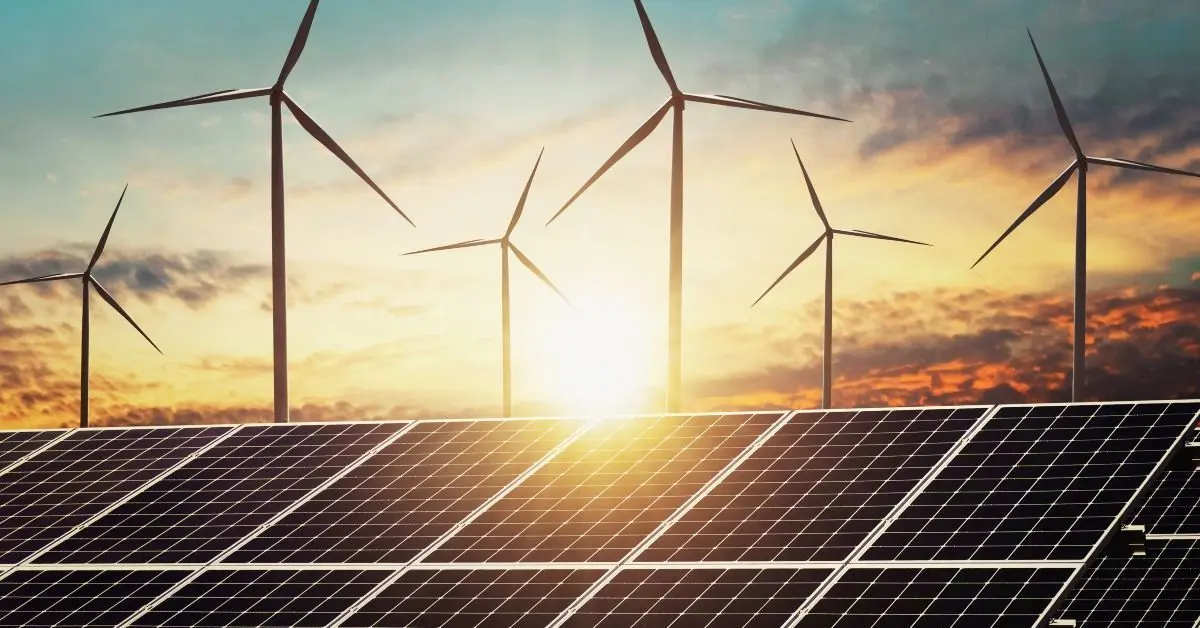
Renewable energy comes from sources that naturally replenish, including:
- Sunlight
- Wind
- Water
- Biomass
- Geothermal heat
Unlike fossil fuels such as coal and oil, renewable sources produce significantly fewer emissions and can support long-term energy sustainability.
The six major renewable energy innovations changing the industry include:
- Advanced solar power technology
- Floating solar farms
- Next-generation energy storage systems
- Artificial intelligence-powered energy management
- Advanced wind energy solutions
- Green hydrogen production
These technologies are helping overcome major renewable energy challenges, including high costs, inconsistent power generation, and limited storage capacity.
Why is 6 Latest Innovations in Renewable Energy Important?
The importance of the latest innovations in renewable energy comes from their ability to create cleaner and more reliable energy systems.
Reducing Carbon Emissions
Traditional energy sources release large amounts of greenhouse gases. Renewable energy innovations help reduce pollution by replacing fossil fuels with cleaner alternatives.
Lower emissions contribute to improved air quality and help fight climate change.
Increasing Energy Independence
Countries that depend heavily on imported fuels face economic challenges when fuel prices change. Renewable energy allows nations and communities to produce their own electricity using local resources.
Making Energy More Affordable
Technology improvements are reducing the cost of renewable energy systems. Better materials, improved manufacturing methods, and efficient designs are making clean energy more accessible.
Supporting Future Industries
Renewable energy innovation is creating new opportunities in engineering, manufacturing, research, and technology.
Detailed Step-by-Step Guide to the Latest Innovations in Renewable Energy
Advanced Solar Energy Technology
Solar power is one of the most popular renewable energy sources. However, recent innovations have improved traditional solar panels significantly.
Perovskite Solar Cells
Perovskite solar cells are a promising development in solar technology. They use special materials that can absorb sunlight more effectively than many traditional photovoltaic systems.
Advantages include:
- Higher efficiency potential
- Lower manufacturing costs
- Flexible design possibilities
- Bifacial Solar Panels
Unlike traditional solar panels that capture sunlight from only one side, bifacial panels generate electricity from both sides.
They can collect reflected sunlight from surfaces such as:
- Snow
- Water
- Light-colored rooftops
This increases overall energy production.
Flexible Solar Technology
Flexible solar panels can be installed on surfaces where traditional panels may not work. They can be used on vehicles, portable devices, and unusual building designs.
Floating Solar Farms
Floating solar technology places photovoltaic panels on water surfaces instead of land.
This innovation is becoming popular because it solves land availability problems.
How Floating Solar Works
Solar panels are attached to floating platforms that remain stable on water. These systems generate electricity while using unused areas such as reservoirs and industrial water bodies.
Benefits of Floating Solar
- Saves valuable land space
- Reduces water evaporation
- Improves solar panel efficiency through cooling
- Expands renewable energy capacity
Floating solar is especially useful in areas where land is expensive or limited.
3. Advanced Energy Storage Systems
Energy storage is one of the biggest challenges in renewable energy. Solar and wind power depend on weather conditions, meaning electricity production can change throughout the day.
Modern storage technologies help solve this problem.
Improved Battery Technology
New battery systems are becoming more efficient, longer-lasting, and safer.
Examples include:
- Advanced lithium-ion batteries
- Solid-state batteries
- Flow batteries
These technologies allow renewable electricity to be stored and used when demand increases.
Why Energy Storage Matters
Energy storage provides:
- Reliable electricity supply
- Better grid stability
- Reduced energy waste
- Increased renewable energy adoption
Without effective storage, large-scale renewable energy systems would be much harder to operate.
4. Artificial Intelligence in Renewable Energy
Artificial intelligence is becoming an important part of modern energy systems.
AI technology can analyze large amounts of data to improve energy production and consumption.
Applications of AI in Energy
AI can help with:
- Predicting weather conditions
- Improving solar and wind forecasts
- Managing electricity demand
- Detecting equipment problems
For example, an AI system can predict when solar production will decrease due to cloud coverage and automatically adjust energy distribution.
Smart energy management makes renewable systems more efficient and dependable.
5. Next-Generation Wind Energy
Wind energy has improved significantly with modern engineering.
New wind turbines are designed to produce more electricity while operating efficiently in different environments.
Larger Turbine Designs
Modern turbines are becoming taller and larger, allowing them to capture stronger winds at higher altitudes.
Offshore Wind Technology
Offshore wind farms are installed in oceans and coastal areas where wind speeds are often stronger.
Benefits include:
- Higher energy production
- Less land usage
- Large-scale electricity generation
Floating offshore wind turbines are another emerging technology that allows turbines to operate in deeper waters.
6. Green Hydrogen Technology
Green hydrogen is one of the most promising renewable energy innovations.
Hydrogen can store and transport energy, making it useful for industries that are difficult to electrify.
How Green Hydrogen Works
Green hydrogen is produced by using renewable electricity to separate hydrogen from water through a process called electrolysis.
The result is hydrogen fuel produced with minimal carbon emissions.
Uses of Green Hydrogen
It can support:
- Heavy transportation
- Industrial manufacturing
- Energy storage
- Chemical production
Green hydrogen could become an important part of the future clean energy system.
Benefits of Renewable Energy Innovations
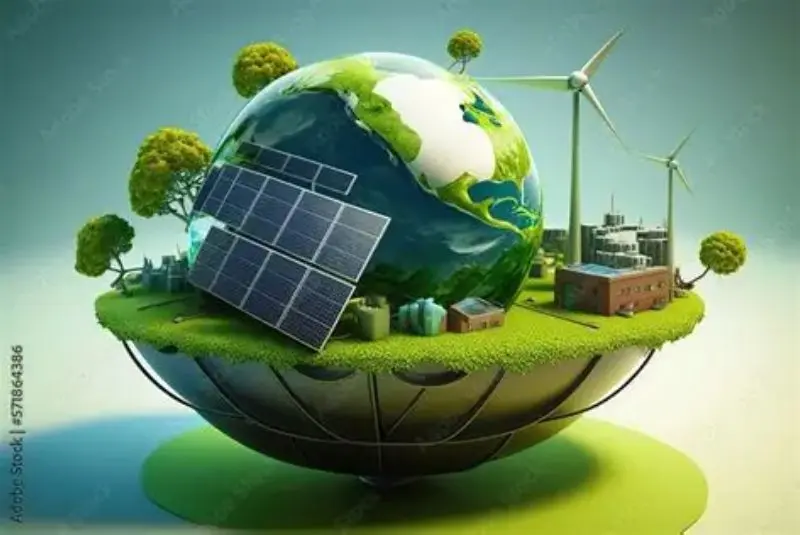
The latest innovations in renewable energy provide many advantages:
- Reduce greenhouse gas emissions
- Improve energy security
- Create new employment opportunities
- Lower long-term energy expenses
- Increase electricity access in remote areas
- Encourage technological development
- Support sustainable economic growth
These technologies are helping build an energy system that is cleaner, smarter, and more resilient.
Disadvantages / Risks
Although renewable energy innovations offer many benefits, some challenges remain.
- High initial installation costs
- Dependence on weather conditions
- Energy storage limitations
- Need for advanced infrastructure
- Manufacturing challenges
- Recycling issues for certain components
For example, solar panels and batteries require responsible recycling methods to reduce environmental impact at the end of their useful life.
Common Mistakes to Avoid
When learning about renewable energy, people often misunderstand how these technologies work.
Common mistakes include:
Assuming Renewable Energy Is Completely Free
Although sunlight and wind are free resources, renewable systems require investment in equipment, installation, and maintenance.
Ignoring Energy Storage
Producing renewable electricity is only part of the solution. Storage is equally important for reliable power supply.
Choosing Technology Without Research
Different locations require different renewable solutions. A technology suitable for a sunny region may not work as effectively in another environment.
Focusing Only on Short-Term Costs
Renewable energy systems often provide greater financial benefits over many years.
Why is renewable energy becoming more popular?
Renewable energy is becoming more popular because it reduces pollution, improves energy independence, and provides a sustainable alternative to fossil fuels.
Technological improvements have also made renewable systems more afforda
3. Can renewable energy replace fossil fuels completely?
Renewable energy has the potential to replace a large portion of fossil fuel use. However, challenges such as storage, infrastructure, and energy demand must still be addressed.
A combination of renewable energy sources and advanced technologies will likely support future energy systems.
What is the biggest challenge for renewable energy?
The biggest challenges include inconsistent energy production, storage limitations, and infrastructure requirements.
New innovations are continuously working to solve these problems.
Are solar panels becoming more efficient?
Yes, modern solar technologies are improving efficiency through better materials, improved designs, and advanced manufacturing methods.
Innovations such as perovskite and bifacial solar cells are increasing solar power potential.
What role does artificial intelligence play in renewable energy?
Artificial intelligence helps optimize energy production, predict demand, manage electricity systems, and improve maintenance.
It allows renewable energy networks to operate more efficiently.
Expert Tips & Bonus Points
Experts recommend considering the following points when exploring renewable energy:
- Evaluate energy needs before choosing a renewable system.
- Combine renewable sources with effective storage solutions.
- Monitor new technological developments.
- Focus on long-term savings rather than only initial costs.
- Choose energy-efficient equipment to maximize benefits.
Businesses and homeowners should also consider smart energy management systems because they can improve performance and reduce waste.
The future of renewable energy will depend on combining multiple technologies rather than relying on a single solution.
Conclusion
The latest innovations in renewable energy are reshaping the way the world produces and uses electricity. From advanced solar technology and floating solar farms to artificial intelligence and green hydrogen, these developments are creating cleaner and more efficient energy solutions.
Renewable energy is no longer just an environmental goal; it is becoming an essential part of modern economic and technological progress. As innovation continues, renewable systems will become more affordable, reliable, and accessible for communities around the world.
Although challenges such as storage, infrastructure, and investment remain, ongoing research is helping overcome these barriers. The combination of smart technology, improved materials, and sustainable practices will continue driving the transition toward cleaner energy.
For individuals, businesses, and governments, understanding these innovations is important because renewable energy will influence the future of transportation, industries, and everyday life.
By adopting and supporting renewable energy solutions, society can move closer to a sustainable future with cleaner air, stronger energy security, and improved environmental protection. The next generation of energy technology is already developing, and these innovations will play a major role in creating a more sustainable world.